


If you have decided that you need to replace your car’s radiator, choosing the right replacement is critical for long-term performance and reliability. Not all radiators are created equal, and installing the wrong radiator can lead to overheating, poor performance, and premature failure that will require you to replace it again much sooner than expected. Whether you are doing the replacement yourself or having a mechanic do it for you, understanding what to look for in a replacement radiator will help you make the right choice.
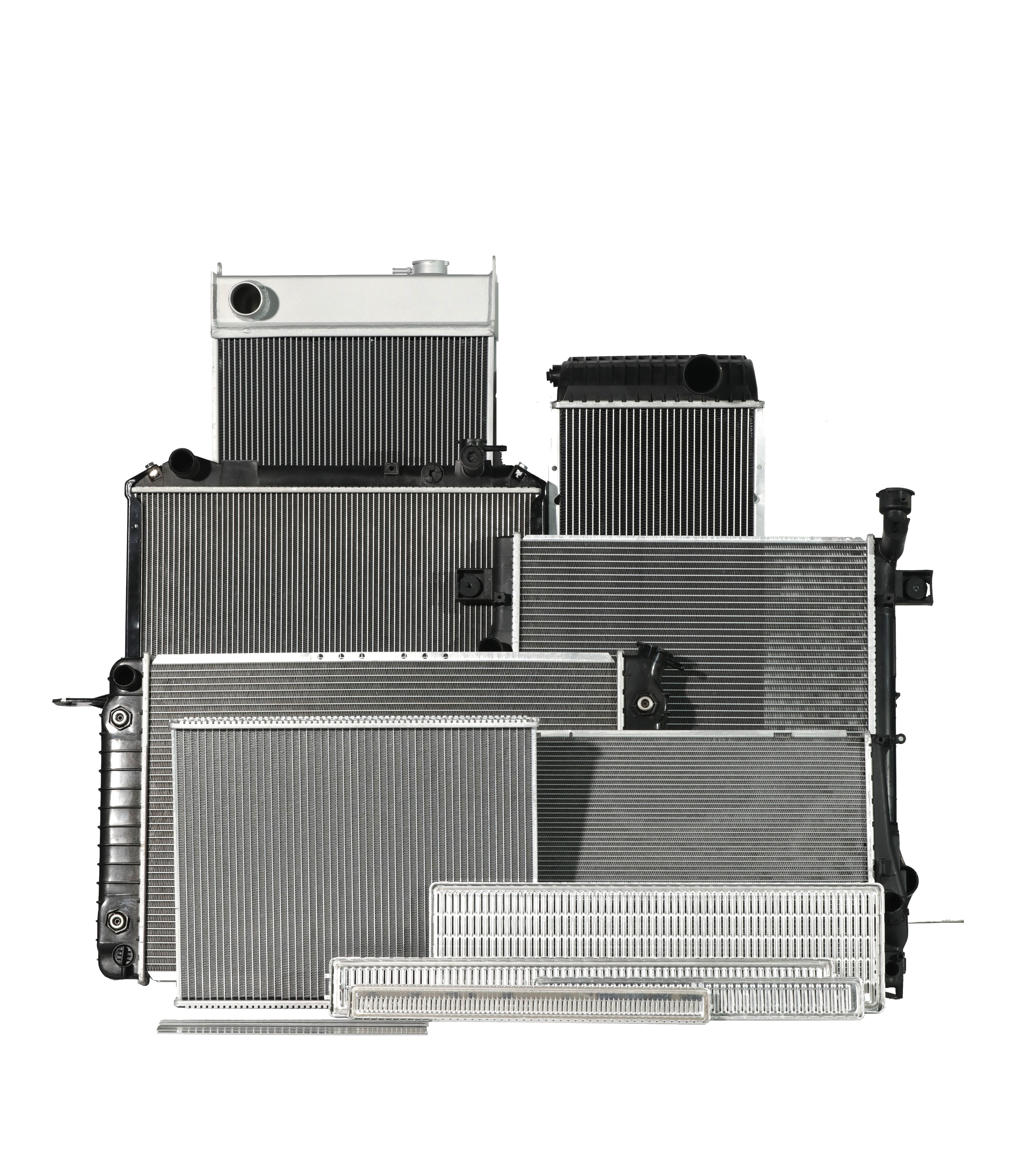
The first thing to consider is whether you want an original equipment manufacturer (OEM) radiator or an aftermarket radiator. OEM radiators are made by the same company that made the original radiator in your vehicle, so they are an exact match for your vehicle’s specifications. They are designed to fit perfectly and meet the original performance requirements, and they usually come with a warranty from the vehicle manufacturer. However, OEM radiators are typically more expensive than aftermarket options. Aftermarket radiators are made by third-party manufacturers, and they are often cheaper than OEM. Many high-quality aftermarket radiators are actually built with better materials and higher cooling capacity than the original OEM radiator, especially for older vehicles. However, you need to make sure that the aftermarket radiator is specifically designed to fit your vehicle’s make, model, and engine size, because a poor fit will cause problems with installation and performance.
Next, you should consider the material of the radiator. Most modern replacement radiators are made of aluminum, which is lightweight, has excellent heat conductivity, and resists corrosion better than older materials. Aluminum radiators are generally the best choice for most passenger vehicles, because they offer good performance at a reasonable price. Copper and brass radiators are still available for older classic cars, and they offer excellent durability and heat transfer, but they are heavier and more expensive than aluminum. For high-performance applications, some aftermarket radiators use all-aluminum construction with brazed cores, which are more durable than the plastic tank construction used in many OEM radiators. Plastic tanks are lighter and cheaper, but they can crack over time due to temperature changes, while all-aluminum radiators have a longer lifespan.
You also need to make sure that the replacement radiator has the correct cooling capacity for your vehicle. If you have a stock engine with no modifications, a radiator with the same capacity as the original is fine. However, if you have upgraded your engine for more horsepower, added a turbocharger, or you frequently tow heavy loads, you should choose a radiator with a higher cooling capacity than the original. A higher-capacity radiator will have a larger core and higher fin density, which allows it to dissipate more heat and keep your engine cool under heavy load.
Finally, check for extra features that add value, like a warranty. A good replacement radiator should come with at least a 1-year warranty, and many high-quality options come with 3 to 5 year warranties. Also make sure that the radiator includes the correct connections for your vehicle’s transmission cooler if you have an automatic transmission, and that it matches the location of the inlet and outlet hoses to avoid installation issues.
By taking these factors into consideration, you can choose a replacement radiator that will fit properly, perform reliably, and give you many years of trouble-free service.
Post time: Jun-22-2026