


Choosing a qualified automotive radiator is crucial for auto repair shops, vehicle owners and auto parts distributors. As a core component of the engine cooling system, the radiator directly determines whether the engine can work stably for a long time. However, the current auto parts market is mixed, and a large number of low-cost inferior radiators are flooding the market. These products are made of thin and inferior materials, with rough welding process, poor heat dissipation efficiency and structural strength. After installation and use, problems such as coolant leakage, shell deformation and insufficient heat dissipation are very likely to occur, which will directly lead to engine overheating, damage to cylinder pads and even serious faults such as engine scrap.
Therefore, when selecting and purchasing radiators, buyers must not only pursue low prices blindly, but should comprehensively consider four key dimensions: material quality, manufacturing process, model compatibility and perfect after-sales guarantee, so as to ensure that the purchased products are safe, reliable and durable.
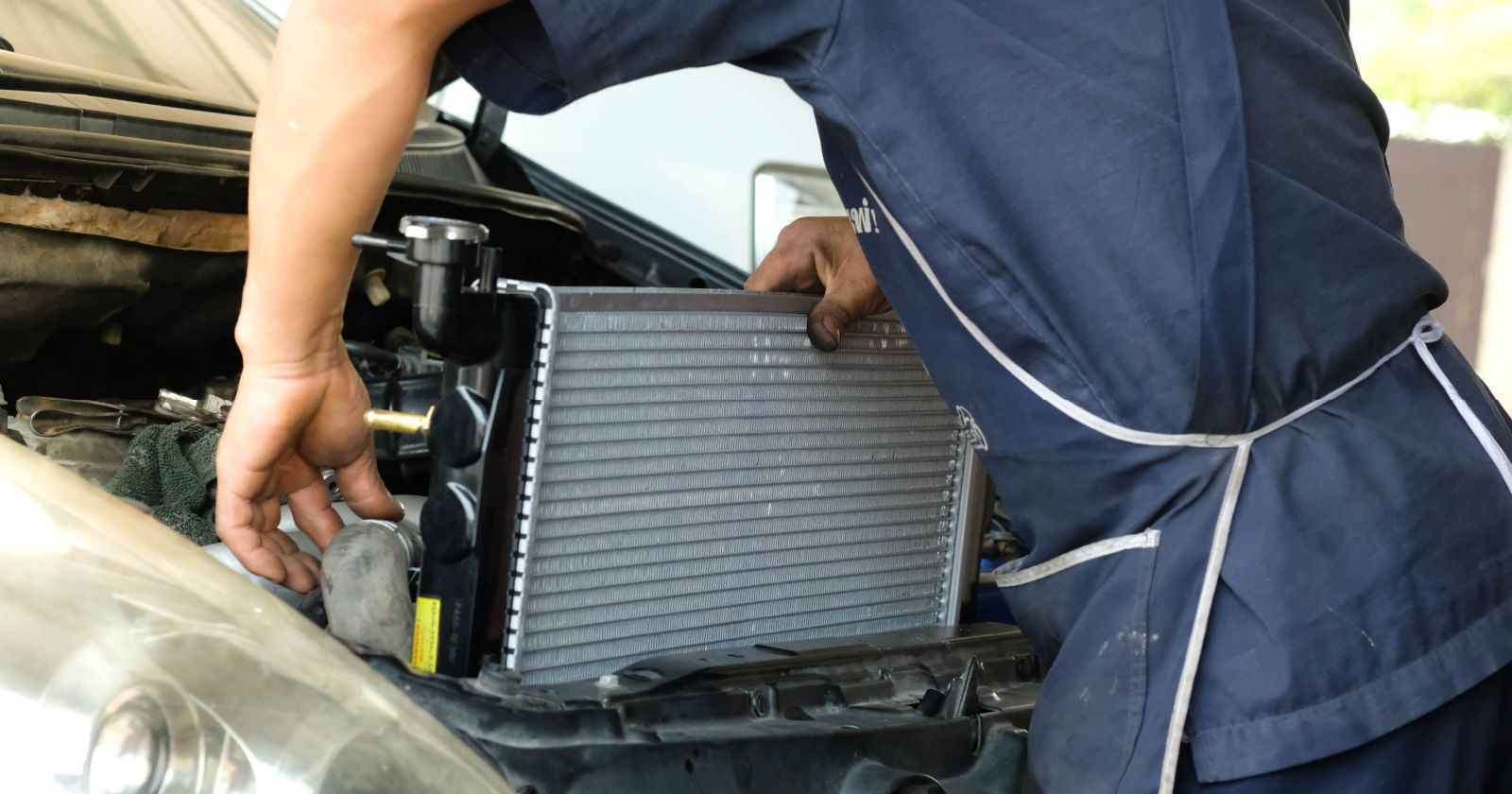
01 Material Quality — The Primary Standard
Material is the primary evaluation standard for judging the quality of radiators. High-quality radiators usually use thickened pure aluminum tubes and high-density heat dissipation fins. The materials are uniform in thickness, smooth in surface and excellent in thermal conductivity. They can quickly take away the heat of the engine and adapt to the long-term high-temperature and high-pressure working environment.
In contrast, inferior products often use recycled miscellaneous aluminum, which contains a lot of impurities. Not only is the thermal conductivity poor, but also corrosion and perforation are easy to occur after a short period of use.
Key Indicator: The wall thickness of the heat dissipation tube — the radiator of the original factory standard has stable and sufficient tube wall thickness, strong pressure resistance and long service life, while the wall of the inferior radiator is thin and uneven, which is easy to crack and leak under vibration and pressure.
02 Production Craft — Advanced Technology Matters
Production craft is another key point that cannot be ignored. Regular and formal manufacturers adopt advanced vacuum brazing technology to realize the integrated connection of the heat dissipation core tube and fins. The connection is firm, tight and seamless, with strong seismic resistance, which can adapt to the bumpy road conditions of vehicles.
However, inferior radiators mostly use simple manual welding or ordinary welding processes, which are prone to virtual welding, missing welding and other defects. Under the long-term vibration of the vehicle, the welding part is easy to crack and leak.
Sealing Performance: High-quality products are equipped with high-temperature resistant and anti-aging rubber sealing gaskets, which can maintain good sealing performance for a long time. The cheap gaskets matched with inferior products will harden and deteriorate quickly in a short time, resulting in coolant leakage and hidden dangers.
03 Model Compatibility — Precision Fit Is Essential
Model compatibility cannot be ignored in the purchasing process. Different automobile brands, engine displacements, production years and configurations correspond to radiators with different sizes, interface positions, pipe diameters and installation hole distances. Before purchasing, buyers must carefully confirm the vehicle VIN code, engine model and specific production year to avoid the trouble of incorrect model, difficult installation and even forced modification.
Heavy-Duty Vehicles: For commercial vehicles, trucks, engineering machinery and other models with heavy load and long working time, the radiator needs higher pressure resistance, larger heat dissipation area and stronger structural strength to meet the harsh working conditions.
04 After-Sales Guarantee — Partner with Reliable Manufacturers
For auto parts wholesalers and foreign trade buyers, choosing the right cooperative manufacturer is more critical. It is recommended to cooperate with manufacturers with complete production qualifications, authoritative product certifications, stable batch quality and professional export packaging capabilities.
Reliable suppliers can provide complete product testing reports, ensure the consistency of batch products, and give a long after-sales warranty period. Investing in high-quality radiators can not only reduce the return and replacement rate, reduce operational losses, but also improve customer trust and reputation, and avoid the economic losses and reputation damage caused by subsequent maintenance due to inferior parts.
Purchasing Principle Summary
To sum up, taking material, craft and compatibility as the core judgment basis and making a rational choice is the most cost-effective and secure purchasing principle in the auto parts industry.
(E.)
Post time: May-06-2026