


In every vehicle that relies on liquid cooling to regulate engine temperature, the automotive radiator operates as the uncelebrated foundational component that prevents catastrophic, irreversible mechanical failure during every minute of operation. When an internal combustion engine runs at full rated load, the controlled, sequential ignition of compressed air and fuel inside each cylinder generates peak combustion temperatures that regularly exceed 2300 degrees Celsius, a thermal intensity that would warp cast iron cylinder heads, break down fully synthetic lubricating oil into carbonized sludge, and seize moving pistons inside their cylinder barrels in less than three minutes if that excess heat had nowhere to escape. The radiator fulfills this non-negotiable role by acting as the primary heat exchanger in a fully closed, pressurized loop, circulating a precisely blended 50/50 mixture of deionized water and long-life ethylene glycol antifreeze that absorbs waste thermal energy as it flows through intricately cast passages in the engine block and cylinder head, before carrying that heat out to the front-mounted radiator core to be dissipated into the oncoming ambient airflow.
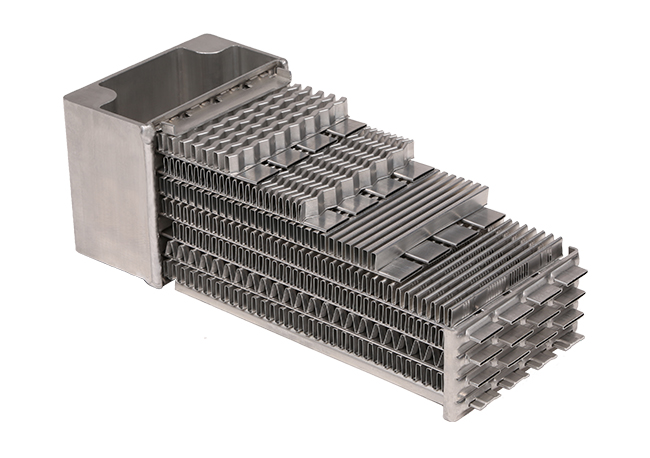
This entire system operates in seamless synchronization with a carefully calibrated ecosystem of supporting components: a high-flow electric or belt-driven water pump maintains a consistent, turbulence-inducing flow rate to eliminate localized hotspots that could otherwise form around exhaust valve seats, a wax-actuated thermostat remains fully sealed during cold starts to let the engine reach its optimal operating temperature as quickly as possible to reduce wear and cut emissions, and a variable-speed pulse-width-modulated electric radiator fan automatically ramps up its rotation speed when vehicle speed drops too low to generate sufficient natural airflow across the core. Unlike the outdated air-cooled cooling systems that powered vintage economy cars and air-cooled sports cars in the mid-20th century, modern liquid-cooled radiators can handle 35% higher peak heat loads, making them completely indispensable for today’s turbocharged, hybrid-assisted engines that produce far more power from smaller, more densely packaged displacement layouts.
- Fuel combustion efficiency peaks at over 98%
- Harmful nitrogen oxide and unburned hydrocarbon emissions are minimized to meet strict global regulatory standards
- Friction between moving metal parts is kept at its lowest possible level to extend engine lifespan by tens of thousands of kilometers
A properly functioning radiator does far more than simply prevent the engine from overheating: it maintains the entire powertrain within a strict 90 to 105 degree Celsius temperature window, where fuel combustion efficiency peaks at over 98%, harmful nitrogen oxide and unburned hydrocarbon emissions are minimized to meet strict global regulatory standards, and friction between moving metal parts is kept at its lowest possible level to extend engine lifespan by tens of thousands of kilometers.
Even a tiny 1.5mm pinhole leak in a plastic radiator end tank can slowly drain coolant over hundreds of kilometers of highway driving, eventually triggering a sudden unplanned temperature spike that:
- Warps the cast aluminum cylinder head
- Blows the multilayer steel head gasket
- Leads to catastrophic engine failure that costs thousands of dollars to repair
For both daily commuters and professional long-haul fleet operators, recognizing that the radiator is not a disposable metal accessory but a precision-engineered thermal control system is the first step to extending vehicle lifespan, reducing long-term maintenance costs, and avoiding unexpected, costly breakdowns on busy highways in the middle of a cross-country trip.
Post time: Jun-22-2026