


The radiator in your Audi, BMW or VW plays a vital role in ensuring optimal engine performance and longevity. In this blog post, we’ll dive into the world of radiators, discussing what they are, why they’re important, and how to identify early signs of failure.
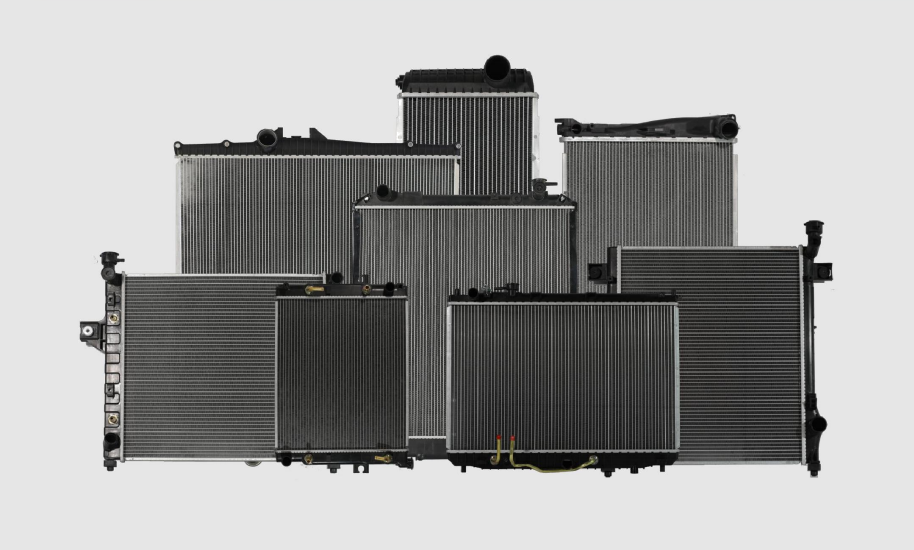
How Car Radiators Work: Keeping the Heat at Bay
A radiator is a heat exchanger designed to cool the engine by transferring heat from the coolant to the air. Let’s break down the main components of a radiator system and the cooling process:
-
►
Radiator core: The heart of the system, it’s responsible for exchanging heat between the coolant and the air. -
►
Coolant: A liquid mixture that absorbs heat from the engine and circulates through the system. -
►
Radiator cap: Maintains proper coolant pressure and acts as a safety valve. -
►
Thermostat: Controls coolant flow by opening and closing based on engine temperature. -
►
Water pump: Circulates the coolant through the system. -
►
Radiator fan: Helps dissipate heat by blowing air over the radiator.
As the coolant flows through the engine, it absorbs heat, then moves through the radiator core, where the heat is transferred to the cooler air. The cooled coolant then returns to the engine to repeat the process.
The Importance of Radiators in your Audi, BMW or Volkswagen
Radiator systems are crucial for several reasons:
Engine Temperature Regulation
Radiators help maintain a stable operating temperature for the engine, preventing damage caused by excessive heat.
Prevention of Overheating
Radiators dissipate heat, avoiding potential engine failure due to overheating.
Fuel Efficiency
A well-functioning radiator system enables the engine to work more efficiently, leading to better fuel consumption.
Vehicle Lifespan
Proper cooling prevents engine wear and tear, increasing the lifespan of the vehicle.
Early Signs of Radiator Failure: Stay Cool and Vigilant
Detecting issues with your car’s radiator early on can save you from costly repairs and potential damage. Here are some common early signs of radiator failure:
Preventative Maintenance and Care: Radiator TLC
To avoid radiator-related issues, follow these maintenance tips:
-
✓
Regular coolant level checks: Ensure that the coolant level is between the minimum and maximum marks. -
✓
Radiator flush and coolant replacement: Flush your radiator and replace the coolant as recommended by your vehicle’s manufacturer. -
✓
Inspection and repair of damaged components: Regularly inspect the radiator and its components, repairing or replacing them as needed. -
✓
Thermostat and radiator fan maintenance: Ensure these components are in good working condition to maintain proper cooling. -
✓
Addressing issues promptly: Don’t ignore early signs of radiator problems; address them quickly to avoid further damage.
Post time: Apr-27-2026