


Excavators are heavy-duty construction machines that rely on efficient cooling systems to maintain stable operating temperatures. Among all cooling system components, the radiator plays the most critical role in dissipating excess heat generated by the engine. When the radiator fails to function properly, overheating occurs, which can lead to reduced work efficiency, increased component wear, and even permanent engine damage. Understanding the most common causes of excavator radiator overheating helps operators and maintenance teams identify and resolve issues quickly, minimizing downtime and repair costs.
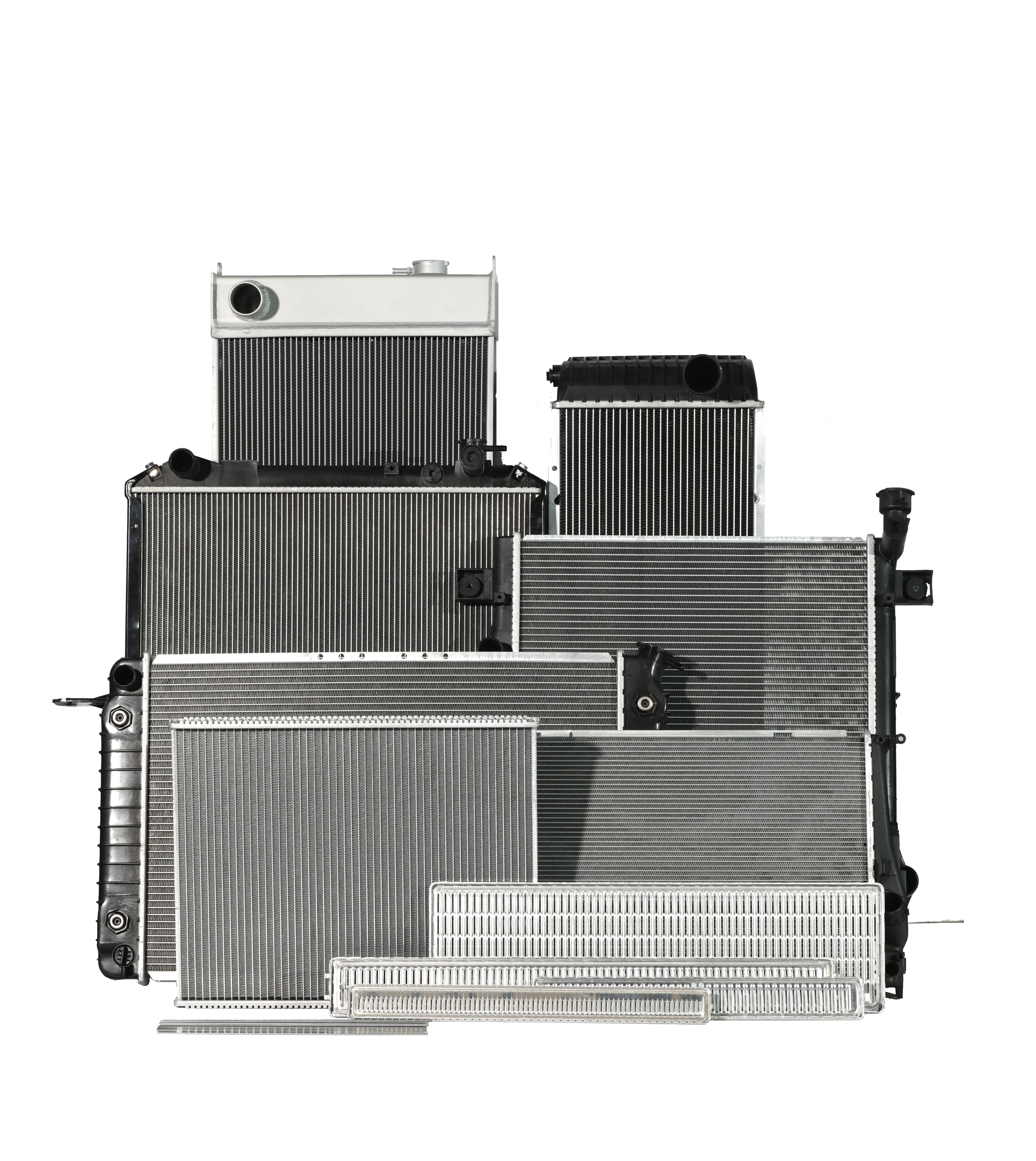
One of the most prevalent causes of radiator overheating is clogged cooling fins and core. Excavators typically operate in harsh environments with large amounts of dust, dirt, mud, plant debris, and construction waste floating in the air. Over time, these contaminants accumulate on the radiator surface and block the gaps between cooling fins, reducing airflow through the core. Even a thin layer of dust can cut heat dissipation efficiency by more than 30%, preventing the radiator from transferring heat from the coolant to the surrounding air effectively. In severe cases, mud can seep into the internal core channels, blocking the flow of coolant itself and completely disrupting the cooling cycle.
Another common cause is low coolant level or coolant leaks. The cooling system depends on a sufficient volume of coolant to absorb heat from the engine and carry it to the radiator. Coolant can be lost through small leaks in hoses, gaskets, the radiator core, or the water pump. Even minor leaks can lead to significant coolant loss over weeks of continuous operation. Additionally, improper maintenance that forgets to top up coolant after repairs or seasonal changes also results in low fluid levels. When there is not enough coolant circulating, the system cannot absorb enough heat, leading to rapid temperature spikes.
Coolant quality issues also contribute to overheating. Over long periods of use, coolant breaks down, loses its additive properties, and accumulates rust, scale, and sediment. These contaminants settle in the radiator core, narrowing the coolant channels and reducing heat transfer efficiency. In some cases, operators use incorrect coolant types or mix tap water with coolant, which accelerates corrosion and scale formation inside the radiator. This internal buildup gradually restricts coolant flow, leading to chronic overheating that worsens over time.
Problems with other cooling system components that affect radiator performance cannot be ignored. A faulty or worn water pump cannot circulate coolant through the radiator at the correct flow rate, causing heat to build up in the engine instead of being dissipated. A broken or slipping radiator fan reduces airflow through the radiator, especially when the excavator is working at low speeds or idling for long periods. Additionally, a damaged thermostat that stays closed blocks coolant flow to the radiator, leading to sudden overheating as soon as the engine warms up.
Radiator overheating in excavators is rarely caused by a single sudden failure; it usually develops from gradual wear and neglected maintenance. Regular cleaning of the radiator, routine coolant checks, and timely replacement of worn components can prevent most overheating issues, keeping excavators operating reliably for longer.
Post time: Jun-15-2026