


There comes a point in the life of every radiator when repair is no longer practical or cost-effective, and full replacement is the best option. Knowing when to replace your radiator instead of repairing it can save you time and money in the long run, as frequent repairs on an old radiator will often add up to more than the cost of a new replacement. Several key factors will help you decide whether replacement is the right choice.
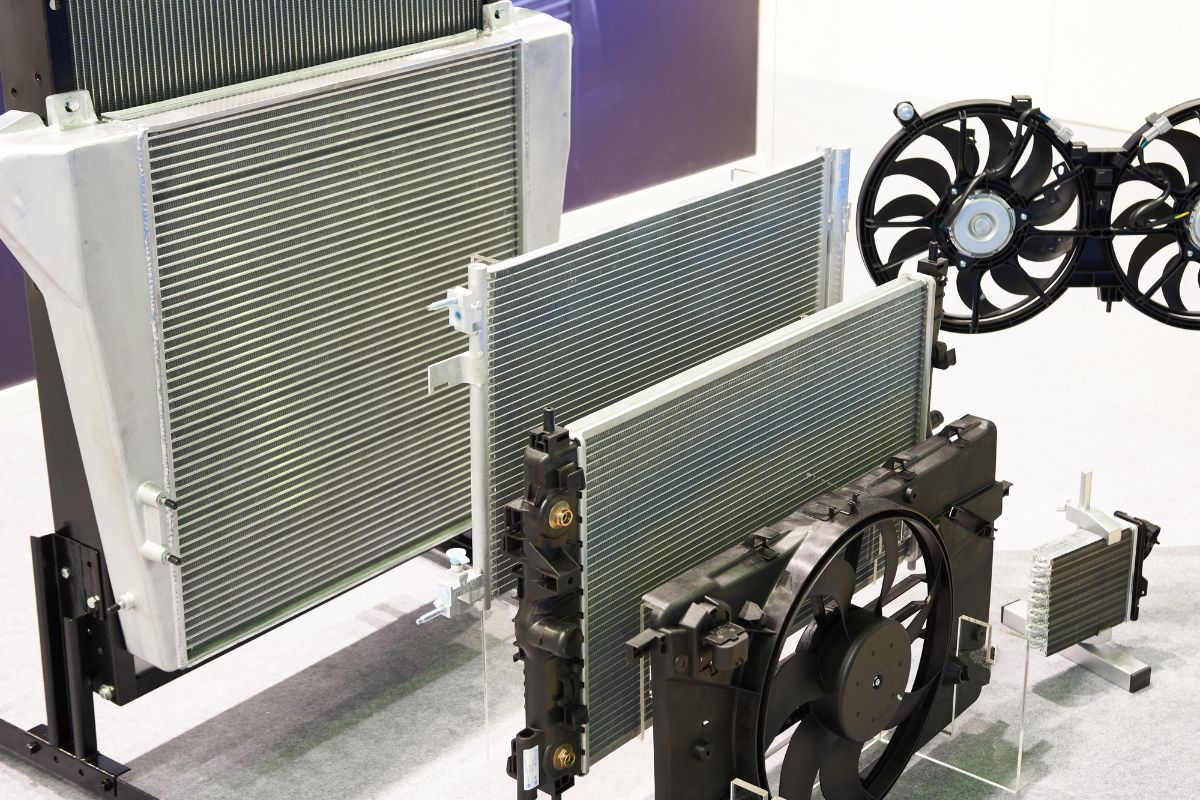
The first factor is the age and overall condition of the radiator. Most aluminum radiators last between 8 and 10 years with proper maintenance, while older copper and brass models can last up to 15 years. If your radiator is close to or past its expected lifespan, and you are already starting to develop problems like leaks or reduced cooling efficiency, replacement is usually the better choice. A new radiator will come with a warranty and will give you many years of reliable service, whereas repairing an old radiator will only be a temporary fix, and you will likely have more problems soon after.
Another factor is the extent of the damage. If you have a single small leak in an otherwise good radiator, a repair may be sufficient. However, if you have multiple leaks, large cracks, or severe internal clogging that cannot be fixed with a flush, replacement is necessary. If your radiator core has been damaged by a front-end collision or heavy road debris, that also usually requires replacement. Bent or broken fins cannot be effectively repaired, and structural damage to the core will compromise the radiator’s cooling ability even after a repair.
The cost of repair vs. replacement is also an important consideration. Small radiator repairs can cost anywhere from $100 to $300, while a full replacement typically costs between $500 and $1,200 including parts and labor, depending on your vehicle model. If the cost of repair is more than half the cost of a new radiator, replacement is almost always the better investment. It is also important to consider the risk of a failed repair: if you repair an old radiator and it fails again while you are driving, it can cause severe engine damage from overheating that will cost far more than the price of a new radiator.
Finally, if you are upgrading your engine for more horsepower or using your vehicle for heavy towing that it was not originally designed for, you may need to replace your stock radiator with a larger, higher-capacity aftermarket radiator. Stock radiators are designed for the original engine output, and a higher-horsepower engine will generate more heat than the stock radiator can handle, leading to chronic overheating even if the original radiator is still in good condition. In this case, upgrading to a larger radiator is necessary to keep your engine cool.
If you are unsure whether you need a repair or replacement, a trusted mechanic can inspect your radiator and give you an honest recommendation based on the condition of your cooling system.
Post time: May-28-2026