


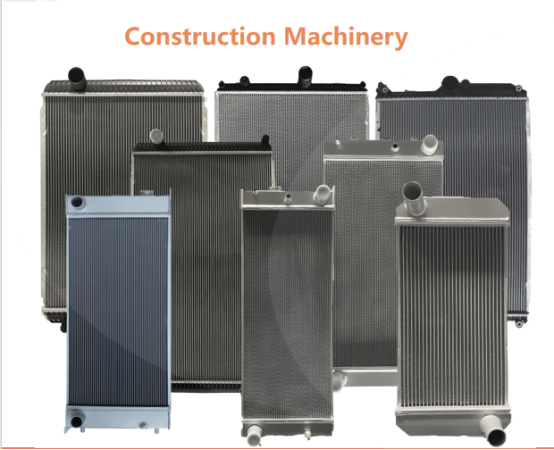
Mining trucks operate in some of the harshest work environments on Earth, where massive amounts of rock dust, coal particles, and dry soil fill the air daily. Over just a few weeks of continuous operation, these fine particles accumulate on mining truck radiators, clogging cooling fins and blocking airflow, which often leads to dangerous engine overheating and unplanned downtime. Clearing a clogged radiator properly in dusty mining sites requires systematic preparation and correct cleaning techniques to avoid damaging the delicate radiator core and ensure long-term cooling performance.
1
Step 1 — Pre-Cleaning Preparation
Thorough pre-cleaning preparation is the first critical step to ensure safety and effectiveness. Before starting any work, you must park the truck on level ground, turn off the engine, and engage the parking brake fully. Let the engine and radiator cool down completely for at least 45 to 60 minutes—working on a hot radiator risks severe scalding from hot coolant and can cause the cold cleaning water to crack the hot radiator core. Next, prepare your tools and protective gear: safety goggles, waterproof work gloves, a high-pressure air compressor with a nozzle tip, a low-pressure power washer, a soft-bristle brush, and a mild alkaline radiator cleaning detergent. Always make sure the work area is well-ventilated to avoid inhaling loose silica dust common in mining sites.
Required Gear
Safety Goggles Waterproof Gloves Air Compressor Low-Pressure Washer Soft-Bristle Brush Alkaline Detergent
2
Step 2 — Dry Cleaning with Compressed Air
Dry cleaning with compressed air should always be done before any wet cleaning, especially in extremely dusty mining environments. Start by holding the air nozzle 30 to 45 centimeters away from the radiator surface at a 45-degree angle, following the direction of the cooling fins to avoid bending them. Blow air from the clean side of the radiator (the side facing the engine compartment) out toward the grille, so dislodged dust and debris are pushed out of the radiator instead of deeper into the core. Work slowly from top to bottom, section by section, to ensure all dust trapped between fins is removed. For large clumps of compacted mud or rock debris stuck between fins, use the soft-bristle brush to gently loosen them before blowing again with air. This dry step removes 70% to 80% of loose contaminants and prevents mud from turning into a hard cement-like paste when wet.
Key Technique
Always blow from the engine side outward toward the grille — never push debris deeper into the core.
3
Step 3 — Wet Cleaning
After dry cleaning, wet cleaning removes stubborn, caked-on contaminants that air cannot dislodge. Dilute the mild radiator cleaning detergent according to product instructions, then apply it evenly to the radiator surface with a low-pressure spray. Let the detergent sit for 5 to 10 minutes to dissolve grease and break down compacted dust, but do not let it dry completely on the fins. Rinse the radiator from the engine side out toward the grille again, using low-pressure water—high-pressure water jets can easily bend thin cooling fins and damage the radiator core. For any remaining blocked spots, direct the water jet parallel to the fins to clear the channels without bending them. If the radiator is extremely clogged, you can repeat the detergent application and rinsing process until all debris is removed.
Critical Warning
Never use high-pressure water jets — they will bend thin cooling fins and permanently damage the radiator core.
4
Step 4 — Post-Maintenance Checks
After cleaning, proper post-maintenance checks prevent future issues and extend the radiator’s service life. Inspect the cooling fins carefully to check for bent fins; if you find any, gently straighten them with a fine fin comb. Check for any signs of coolant leaks in the core, especially around the corners and connection points. Let the radiator dry completely before closing the grille and restarting the engine. In extremely dusty mining environments, this cleaning should be scheduled every one to two weeks as preventive maintenance, rather than waiting for overheating to occur. Regular cleaning keeps the radiator working efficiently, reduces fuel consumption, and avoids costly engine damage and unexpected downtime that can disrupt mining operations.
Maintenance Schedule
Schedule radiator cleaning every 1–2 weeks in dusty mining environments — do not wait for overheating symptoms.
Post time: Jun-15-2026