


Western Australia’s Pilbara region is home to some of the world’s largest high-grade iron ore deposits, and mining trucks here face far harsher operating conditions than most other industrial sites. The region sees year-round high temperatures, frequent dust storms that fill the air with fine iron ore particles, and 24/7 heavy load operation that puts extreme stress on every vehicle component. When a leading global mining company operating in the Pilbara found that standard off-the-shelf radiators failed far earlier than expected, causing frequent unplanned downtime, they partnered with a heavy-duty cooling manufacturer to develop a custom radiator specifically tailored to the unique conditions of Western Australian iron ore mines.
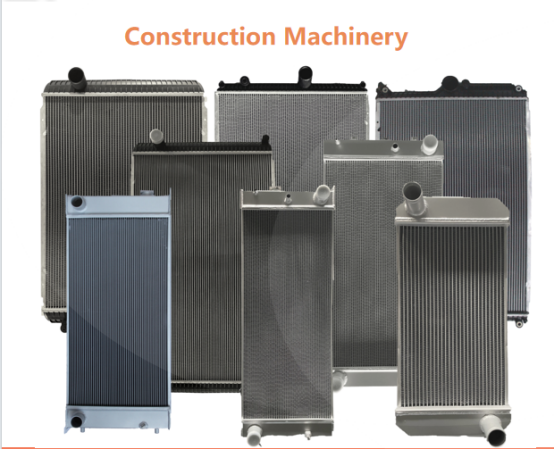
The project began with a three-month on-site data collection and requirement analysis stage to fully capture the challenges of the local environment. The design team found three core problems that standard radiators could not address:
Three Core Engineering Challenges
1
Daily exposure to high levels of iron ore dust caused rapid clogging of narrow cooling fins, cutting heat dissipation by up to 40% within just two months.
2
Summer ambient temperatures often exceed 40°C, combined with continuous full-load operation on long haul routes, pushing standard cooling systems past their temperature limits.
3
Rough, unpaved haul roads created constant vibration that caused fatigue cracking in standard radiator weld joints and core structures.
Based on these observations, the team set clear design goals: 20% higher heat dissipation capacity than standard radiators, improved dust resistance, and a 3-year service life target — double that of the original equipment.
Solution 01 — Dust Resistance
To solve the dust clogging issue, the team adjusted the core design to widen the spacing between cooling fins from the standard 3.2mm to 4.5mm. This wider gap reduces the chance of fine iron ore particles getting trapped between fins, while maintaining sufficient heat transfer area by optimizing the fin material and thickness. They also added a removable pre-filter grille at the front of the radiator that catches large rock and ore debris before they reach the core, allowing site maintenance teams to quickly remove and clean the grille without taking apart the entire radiator assembly. This simple addition cuts the frequency of full core cleaning from every two weeks to every eight weeks, significantly reducing maintenance downtime.
Solution 02 — Heat Dissipation & Vibration Resistance
For improved heat dissipation and vibration resistance, the team upgraded core materials and manufacturing processes. They used an all-aluminum brazed core instead of the traditional mechanically assembled copper core, which is lighter, more corrosion resistant to iron ore dust, and provides 15% better heat transfer efficiency. To withstand constant vibration from rough haul roads, the design added four reinforced rubber mounting dampers between the radiator core and the truck frame, which absorb up to 60% of road vibration. The team also upgraded the welds on the inlet and outlet tanks with double-pass robotic welding, eliminating fatigue cracks that commonly occurred on standard radiators within 18 months of operation. The overall coolant capacity was increased by 12% to handle extended full-load operation in 40°C+ ambient temperatures, preventing temperature spikes during long hauls.
Performance Results — After 12 Months On-Site Testing
92%
Heat dissipation efficiency retained after 12 months
(vs. 58% for standard models)
(vs. 58% for standard models)
78%
Reduction in unplanned downtime from cooling system overheating
62%
Reduction in maintenance time spent on radiator cleaning
$2.3M
Expected total annual cost savings across 127-truck fleet
After 12 months of on-site testing with 10 prototype radiators on haul trucks operating in the Pilbara, the results exceeded expectations. The client has now rolled out the custom radiators to their entire fleet of 127 mining trucks in Western Australia, with an expected total annual cost savings of over $2.3 million from reduced downtime and lower replacement costs. This case demonstrates how custom design tailored to specific local operating conditions can deliver far better performance and value than one-size-fits-all standard components in the mining industry.
Post time: Jun-15-2026