


A car radiator is the central component of a vehicle’s engine cooling system, designed to regulate engine temperature and prevent overheating that can cause catastrophic engine damage. Most modern vehicles use a liquid-cooled engine system, where a mixture of coolant (antifreeze) and water circulates through engine passages to absorb excess heat generated by combustion, and the radiator’s job is to transfer this absorbed heat out into the surrounding air. Understanding the core design and function of a radiator is the first step to proper vehicle maintenance.
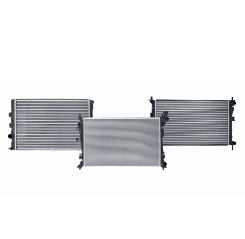
Radiators are typically constructed from aluminum, which is valued for its excellent heat conductivity and lightweight properties, though older models may use copper and brass for increased durability. The core structure of a radiator consists of thousands of thin fins connected to narrow tubes; as hot coolant flows through these tubes, air passes through the gaps between the fins, drawing heat away from the coolant and cooling it down before it returns to the engine. At the top of most radiators is an inlet tank connected to the engine’s thermostat, which controls when coolant flows into the radiator, and an outlet tank at the bottom that sends cooled coolant back to the engine. Many modern radiators also include a built-in transmission cooler, which helps regulate the temperature of automatic transmission fluid to extend transmission life.
The cooling capacity of a radiator is determined by its size, fin density, and material. Larger radiators with higher fin density are typically used in high-horsepower vehicles or trucks used for towing, as these engines generate more excess heat that needs to be dissipated. It is important that a radiator matches the specifications of your vehicle: an under-sized radiator will not be able to keep the engine cool under heavy load, leading to chronic overheating and premature engine wear. Radiators also work in tandem with other cooling system components, including the water pump, thermostat, cooling fan, hoses, and pressure cap. The pressure cap, in particular, plays an important role by raising the boiling point of coolant, allowing the system to operate at higher temperatures without boiling over.
In summary, the radiator is a far more critical component than many drivers realize. Without a properly functioning radiator, even the most powerful and well-built engine will quickly overheat and fail. Understanding the basic design and function of your car’s radiator helps you recognize early warning signs of problems and maintain the component properly to extend the life of your entire vehicle.
Post time: May-28-2026