


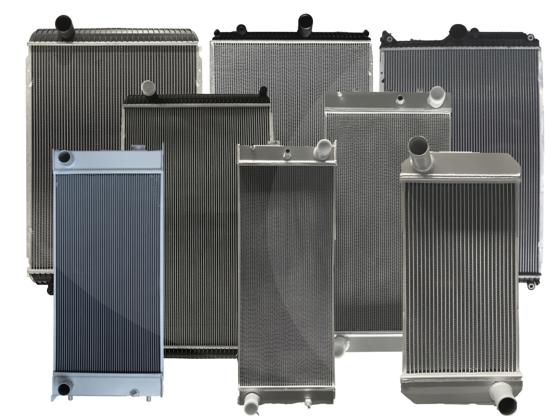
All automotive radiators sold in Australia must comply with a comprehensive set of national regulatory standards that are designed to ensure product safety, performance consistency, and environmental protection. These regulations are far stricter than those in many other markets, and they play a critical role in protecting Australian consumers from low-quality imported radiators that could fail prematurely and cause dangerous engine overheating situations. Understanding these standards is essential for both radiator manufacturers and vehicle owners, as non-compliant products can lead to serious legal and safety consequences.
The primary regulatory framework governing automotive radiators in Australia is set out in the Australian Design Rules (ADRs), which are administered by the Department of Infrastructure, Transport, Regional Development, Communications and the Arts. ADR 69, which covers vehicle cooling systems, specifies strict requirements for radiator pressure tolerance, burst pressure resistance, and material durability. All radiators sold for use on Australian roads must be tested to withstand a minimum operating pressure of 1.3 times their rated working pressure without developing leaks, and they must pass a 1000-cycle thermal shock test where the unit is rapidly heated and cooled to simulate years of normal operation. These tests are far more rigorous than the equivalent standards in the European Union, making it extremely difficult for cheap, low-quality imported radiators to meet Australian legal requirements.
In addition to safety standards, Australia also has strict environmental regulations that apply to radiator manufacturing and disposal. The country’s National Waste Policy bans the use of lead-based solders in new automotive radiators, a rule that was introduced in 2010 to reduce toxic heavy metal contamination in landfill sites. This regulation effectively forced a complete industry shift away from traditional copper-brass radiators that used lead solder for all their joints, accelerating the adoption of all-aluminum radiators that use furnace-brazed joints with zero lead content. Australian radiators must also be designed to be fully recyclable at the end of their lifespan, with manufacturers required to participate in the national product stewardship scheme that collects and processes old radiators to recover valuable aluminum and copper materials, preventing these metals from being sent to landfill.
For vehicle owners in Australia, it is critically important to ensure any replacement radiator they purchase is fully certified to meet local Australian Standards. Many uncertified radiators imported from overseas online marketplaces are sold without proper testing documentation, and they often fail within 1 to 2 years of use due to cracked plastic tanks, leaking joints, or poorly constructed cores. Using an uncertified radiator can also void a vehicle’s insurance policy in the event of an accident, if it can be proven that a radiator failure caused the incident. By purchasing a locally manufactured radiator that comes with full Australian Standards certification, vehicle owners can be confident they are getting a product that is not only legal but also engineered to perform reliably in Australia’s unique operating conditions.
Post time: Jul-16-2026