


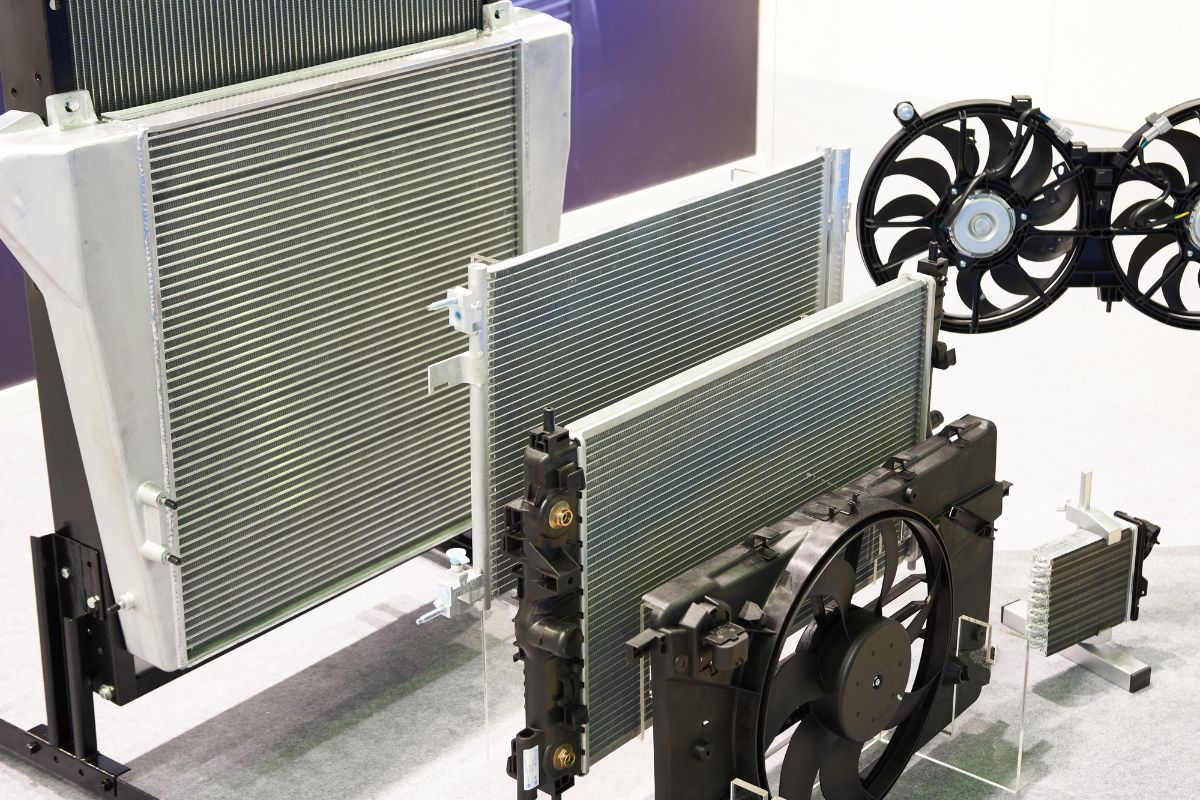
Australia’s unique geographical and climatic conditions have long placed extraordinary demands on vehicle cooling systems, making automotive radiators one of the most critical components for both daily commuters and off-road enthusiasts. From the arid deserts of the Outback to the humid coastal regions of Queensland, every corner of the continent presents distinct challenges that generic radiators from overseas markets often fail to address effectively. Over the past five decades, local manufacturers have continuously refined radiator designs to adapt to these extreme environments, transforming a simple imported part into a highly engineered system tailored for Australian roads.
Historical Evolution: The 1970s
In the 1970s, when Australia’s automotive manufacturing sector was still thriving, most vehicles rolled off production lines fitted with copper-brass radiators that were considered durable for their era. These units relied on thick metal cores and soldered joints to withstand moderate heat loads, but they quickly showed their limitations when drivers began venturing further into remote areas. During long road trips across the Nullarbor Plain, where summer temperatures regularly exceed 40 degrees Celsius, many original-equipment copper radiators would develop overheating issues, leading to engine damage and costly breakdowns. This widespread problem created a gap in the market that local specialists like Air Radiators Australia stepped in to fill, launching the country’s first line of custom heavy-duty radiators built specifically for harsh operating conditions.
The Shift to Aluminum: The 1990s
The shift from copper-brass to all-aluminum radiators in the 1990s marked a major turning point in Australia’s automotive cooling industry. Aluminum offered two key advantages that made it ideal for local use: significantly lighter weight and far superior thermal conductivity. For drivers towing heavy caravans up the steep grades of the Great Dividing Range, a lighter radiator reduced overall vehicle load while delivering more consistent cooling performance. Local manufacturers further optimized these designs by increasing core tube count, expanding fin surface area, and reinforcing mounting points to resist vibration damage on corrugated outback tracks. Unlike mass-produced imported radiators that used thin, easily bent fins, Australian-made units incorporated thicker gauge aluminum and louvered fin patterns that prevented clogging from red desert dust, a common issue that would drastically reduce cooling efficiency on standard international models.
Modern Technology & Global Impact
Today, modern Australian automotive radiators have evolved far beyond basic heat exchangers. Leading local suppliers integrate advanced features such as multi-pass flow designs, high-pressure radiator caps, and reinforced plastic tanks with steel inserts to prevent crack failures under extreme thermal cycling. Many custom builders also offer optional transmission cooler adapters built directly into the radiator core, eliminating the need for external auxiliary coolers that are vulnerable to impact damage during off-road driving. This level of local engineering expertise has earned Australian radiator manufacturers a global reputation, with their products being exported to other harsh-climate markets in the Middle East and Southern Africa. As the country continues to see strong demand for both classic restoration projects and modern performance vehicles, the evolution of locally developed radiator technology shows no signs of slowing down.
Post time: Jul-16-2026