


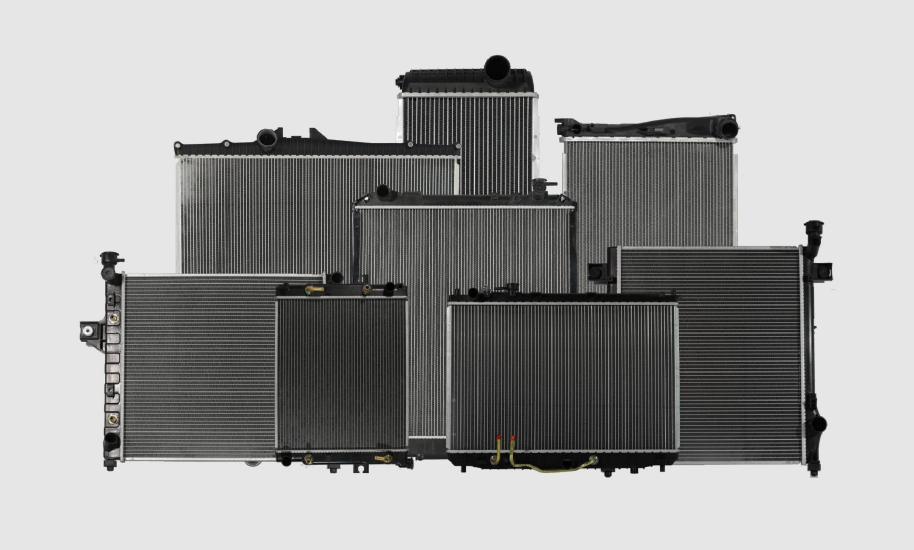
For millions of Australian drivers, upgrading their vehicle’s original equipment radiator is not a trivial performance modification—it is an essential investment in long-term reliability, especially for those who regularly drive in harsh conditions. Surveys of Australian 4×4 owners show that over 68% have replaced their stock radiator with an upgraded aftermarket unit at some point during their vehicle’s lifespan, a statistic that is drastically higher than in most other developed automotive markets around the world. This widespread trend is driven by a unique combination of local operating conditions, vehicle usage patterns, and well-documented limitations of original radiator designs that were never optimized for Australian environments.
One of the primary reasons Australian drivers invest in radiator upgrades is the country’s extreme summer heat, which regularly pushes engine cooling systems far beyond their designed limits. Many modern vehicles sold in Australia are engineered for temperate European or North American climates, where maximum summer temperatures rarely exceed 35 degrees Celsius for extended periods. When these vehicles are driven in Western Australia’s Pilbara region, where daytime temperatures can stay above 45 degrees for weeks on end, the stock radiator simply does not have enough core surface area to dissipate heat effectively. This leads to persistent overheating when driving slowly in traffic, or when towing a heavy trailer up a long, steep hill. Local aftermarket radiators typically feature 30% to 50% more core volume than original equipment units, giving them the extra cooling capacity needed to keep engine temperatures stable even under the most demanding conditions.
Another major factor driving radiator upgrades in Australia is the country’s massive popularity of off-roading and remote travel. When drivers take their 4×4 vehicles across unmaintained outback tracks, they often encounter deep water crossings, thick red dust, and sharp rocky terrain that can easily damage a stock radiator. Cheap imported aftermarket radiators often use thin, fragile aluminum fins that get completely clogged with dust after a few months of off-road use, drastically reducing airflow and cooling performance. Australian-made upgraded radiators solve this problem by using much thicker fin material, more robust tube spacing, and integrated rock guards that protect the delicate core from impact damage. Many local manufacturers also use reinforced mounting brackets that prevent the radiator from shifting and rubbing against surrounding components when driving over rough terrain.
The long-term cost savings of upgrading to a quality Australian radiator also make the investment extremely attractive for local vehicle owners. A catastrophic radiator failure in a remote area can lead to severe engine damage, resulting in a repair bill that can easily exceed $10,000, not to mention the massive costs associated with emergency roadside recovery in the outback. By comparison, a high-quality locally made aftermarket radiator typically costs between $600 and $1500, depending on the vehicle model, and comes with a 3 to 5 year warranty that covers defects and even accidental damage in many cases. For Australian drivers who rely on their vehicles for work, family trips, and adventure, this level of peace of mind makes a radiator upgrade one of the most cost-effective modifications they can possibly make.
Post time: Jul-16-2026