


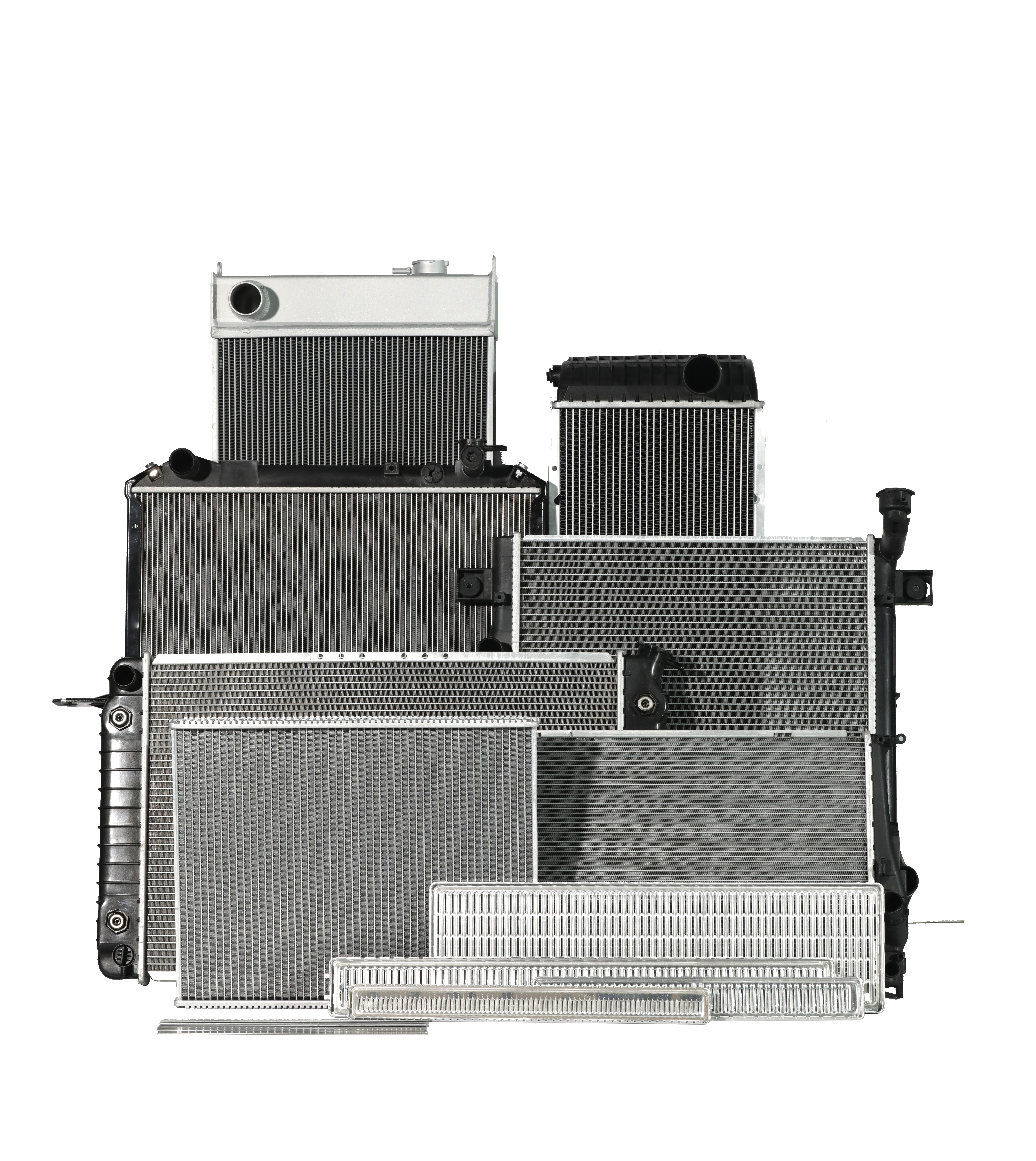
Australia’s automotive radiator manufacturing sector has emerged as a national leader in circular economy practices, implementing some of the most advanced recycling and waste reduction programs found anywhere in the global automotive component industry. This strong focus on sustainability is driven both by strict national environmental regulations and by the fact that aluminum and copper, the two primary materials used in radiators, are extremely valuable and can be infinitely recycled without any loss of material quality. These practices are not only reducing the industry’s environmental footprint, they are also creating new economic opportunities and making local Australian manufacturers more competitive against cheap imported products.
Collection Network
At the core of the industry’s circular economy model is a nationwide end-of-life radiator collection network that is operated collaboratively by local manufacturers, radiator service centers, and auto wreckers across every state and territory. When an old radiator reaches the end of its usable life, it is not sent to landfill—it is collected by local recycling partners who carefully process it to separate the aluminum core, copper tubes, plastic components, and rubber hoses. Over 98% of the material from an old radiator can be recovered and reused, with the recycled aluminum being sent directly back to local metal mills to be rolled into new sheets that are used to manufacture brand new radiators. This closed-loop system drastically reduces the industry’s carbon footprint, as recycling aluminum requires only 5% of the energy that is needed to produce new primary aluminum from bauxite ore.
Zero-Waste Production
Many Australian radiator manufacturers have also implemented zero-waste production policies in their factories, ensuring that almost no scrap material goes to landfill during the manufacturing process. Even the tiny off-cuts of aluminum that are trimmed off during the fin stamping process are carefully collected and sent back for recycling, with some factories achieving over 99% material utilization rates. This level of efficiency is almost unheard of in the global automotive component industry, and it allows local manufacturers to keep their production costs competitive even when compared against low-wage overseas factories that do not have to pay for proper waste disposal. Several local companies have also achieved full carbon neutral certification for their entire production operations, making them some of the first automotive radiator manufacturers in the world to reach this important sustainability milestone.
Design & Longevity
The industry’s sustainability efforts also extend to product design, with modern Australian radiators being engineered to last 2 to 3 times longer than equivalent cheap imported units. By building radiators that are repairable rather than disposable, local manufacturers reduce the total number of units that need to be produced over a vehicle’s lifespan, drastically cutting down on overall resource consumption. When a local radiator does develop a leak or a damaged fin, it can be easily repaired or recored at one of the country’s many local service centers, rather than being thrown away and replaced entirely. This combination of durable design, repairability, and full material recycling creates a truly circular system that demonstrates how traditional manufacturing industries can adapt to operate sustainably in the 21st century, setting an example for other automotive sectors around the world to follow.
Post time: Jul-16-2026