


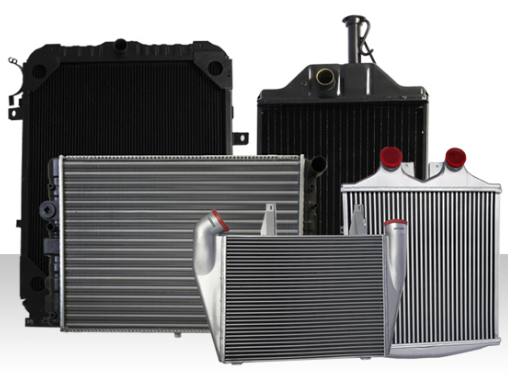
Automotive radiator failures are one of the most common causes of vehicle breakdowns on Australian roads, and many of these issues are directly linked to the country’s unique operating conditions that put far more stress on cooling systems than most other parts of the world. Understanding the most common failure modes, their root causes, and how to prevent them can help Australian vehicle owners avoid costly breakdowns and extend the lifespan of their radiators significantly.
Plastic End Tank Cracking
One of the most frequent radiator failures seen across Australia is plastic end tank cracking, a problem that is particularly common on vehicles that are regularly driven in extreme summer heat. Most original equipment radiators use glass-reinforced nylon plastic for their end tanks, a material that becomes extremely brittle after years of exposure to repeated thermal cycling, where the radiator goes from ice cold to over 90 degrees Celsius in a short period of time. In Australia, where vehicles are often left parked in direct sunlight on 40-degree days before being started and driven hard, this thermal cycling happens far more frequently than in temperate climates, causing the plastic tanks to develop micro-cracks that eventually turn into large leaks. Many local radiator manufacturers solve this problem by using upgraded end tanks made from reinforced composite materials with steel insert sleeves around the hose connections, drastically reducing the chance of cracking even after decades of use.
Dust and Debris Clogging
Dust and debris clogging is another extremely common radiator issue that is almost unique to Australian outback driving. When vehicles drive on unpaved desert tracks, they kick up massive clouds of fine red silica dust that gets pulled into the engine bay through the front grille. Over time, this dust builds up in the narrow gaps between the radiator fins, creating a thick insulating layer that blocks airflow and drastically reduces cooling efficiency. Many drivers do not even realize there is a problem until their vehicle starts overheating during a long climb, even though the radiator looks perfectly intact from the outside. The best way to prevent this issue is to install a high-quality radiator filter screen at the front of the vehicle, and to thoroughly clean the radiator core with compressed air at least once every 12 months if you regularly drive on dirt roads. Local radiator service centers across regional Australia offer professional core cleaning services that can restore 95% of a clogged radiator’s original cooling performance.
Corrosion Damage
Corrosion damage is the third major cause of radiator failure in Australia, and it is often linked to the poor quality of coolant available in some remote regional areas. Many cheap off-the-shelf coolers sold in small country towns do not contain the correct corrosion inhibitors needed to protect aluminum radiator cores, leading to electrolysis that eats tiny holes through the thin radiator tubes over time. This problem is made worse by the fact that many Australian drivers top up their cooling systems with hard bore water when they run out of coolant in remote areas, introducing mineral deposits that build up inside the radiator and block flow paths. The simple solution to this issue is to always use a high-quality Australian Standards approved long-life coolant, and to flush the entire cooling system completely at least once every 2 years. Following these basic maintenance steps can double or even triple the lifespan of an automotive radiator in Australian conditions.
Post time: Jul-16-2026