


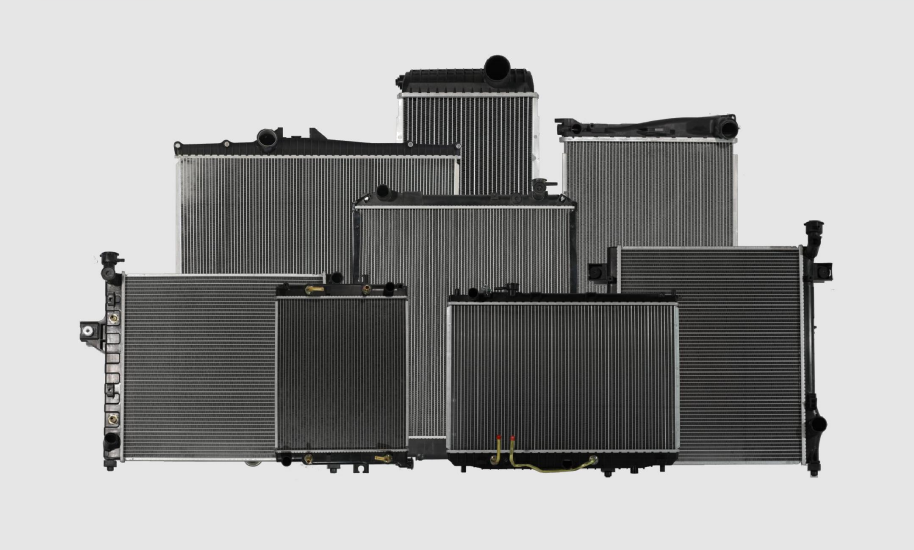
Australia’s ongoing transition toward electric vehicles is creating a wave of new opportunities and challenges for the country’s long-established automotive radiator manufacturing industry. While battery electric vehicles do not require the same large engine cooling radiators as traditional internal combustion engine cars, they still rely on highly specialized thermal management systems that are far more complex than the radiators used in older vehicles. This shift is forcing local manufacturers to adapt their engineering expertise, opening up entirely new market segments that were almost non-existent just 5 years ago.
Unlike internal combustion engines, which generate most of their waste heat during the combustion process, electric vehicles produce heat from three main sources: the lithium-ion battery pack, the electric motor, and the power electronics inverter. Each of these components has very specific temperature requirements that must be tightly controlled to ensure maximum performance, safety, and lifespan. Lithium-ion batteries operate most efficiently at a temperature between 20 and 30 degrees Celsius, and exposing them to sustained temperatures above 45 degrees can cause permanent degradation and even create safety risks. In Australia’s harsh summer climate, maintaining these precise temperature ranges requires advanced multi-circuit thermal management systems that are far more sophisticated than a traditional single-pass automotive radiator.
Local Australian radiator manufacturers are leveraging their decades of thermal engineering experience to develop these next-generation EV cooling systems. Many companies have invested in new research and development facilities where they test prototype cooling systems in environmental chambers that simulate the extreme temperature conditions found across Australia, from -5 degrees in the Snowy Mountains to 50 degrees in the Simpson Desert. These locally developed systems often combine low-profile aluminum heat exchangers with integrated liquid cooling circuits that can both heat and cool the battery pack as needed, ensuring consistent performance no matter what the outside weather conditions are. This local expertise has made Australian manufacturers highly attractive to global EV brands that are looking for partners to develop Australia-specific thermal management solutions for vehicles sold in the local market.
At the same time, the transition to EVs is not eliminating demand for traditional automotive radiators in Australia anytime soon. The country has one of the oldest average vehicle fleets in the developed world, with the average age of a car on Australian roads now sitting at over 10.6 years. There are still millions of internal combustion engine vehicles in operation across the country, including a massive fleet of 4x4s, work trucks, and agricultural equipment that will continue to use traditional radiators for at least another 20 to 30 years. This means local manufacturers are able to maintain their existing core business while gradually expanding into the EV thermal management space, creating a smooth transition that protects local jobs and preserves the industry’s valuable decades of engineering knowledge.
Post time: Jul-16-2026