


Proper maintenance of the automotive radiator is essential to prolong engine life and avoid expensive repair costs. As the heart of a vehicle’s cooling system, the radiator plays an irreplaceable role in regulating engine temperature, ensuring the engine operates within a safe and efficient thermal range at all times. Yet, many car owners fall into a common maintenance trap: they prioritize regular oil changes, tire rotations, and brake inspections, diligently checking these high-profile components, but completely overlook the cooling system. This neglect creates a hidden danger that can strike unexpectedly—over time, accumulated debris, degraded coolant, and worn parts lead to severe radiator blockage, coolant leakage, and sudden engine overheating failures, often occurring mid-drive on busy roads or long journeys. Such breakdowns not only leave drivers stranded but also risk permanent engine damage, translating into thousands of dollars in repair bills. The good news is that simple daily inspections and consistent, regular maintenance can effectively keep the radiator in optimal working condition all year round, protecting both your vehicle and your wallet.
1. Regular Coolant Replacement
First and foremost, regular coolant replacement stands as the most fundamental and critical maintenance task for the radiator. Coolant, often referred to as antifreeze, is far more than just a temperature-regulating fluid. It serves dual vital functions: preventing the cooling system from freezing solid in frigid winter temperatures and raising the boiling point to prevent overheating in sweltering summer heat. Beyond temperature control, high-quality coolant is infused with specialized anti-corrosion and anti-rust additives that form a protective layer inside the radiator, water pump, and engine coolant channels, shielding these metal components from corrosion, rust, and scale buildup.
However, these protective additives lose their effectiveness over time with prolonged use and exposure to high engine temperatures. Once the additives degrade, the coolant can no longer prevent internal rust and mineral scale from accumulating inside the radiator and engine passages, narrowing the coolant flow channels and severely hampering heat dissipation.
Replace coolant every 2 to 3 years or every 40,000 to 60,000 kilometers, whichever comes first.
A crucial caution: never mix different brands, formulations, or types of coolant. Doing so triggers harmful chemical reactions that produce sticky residues, clogging the cooling system pipelines and causing irreversible damage to the radiator.
2. Keep the Radiator Surface Clean
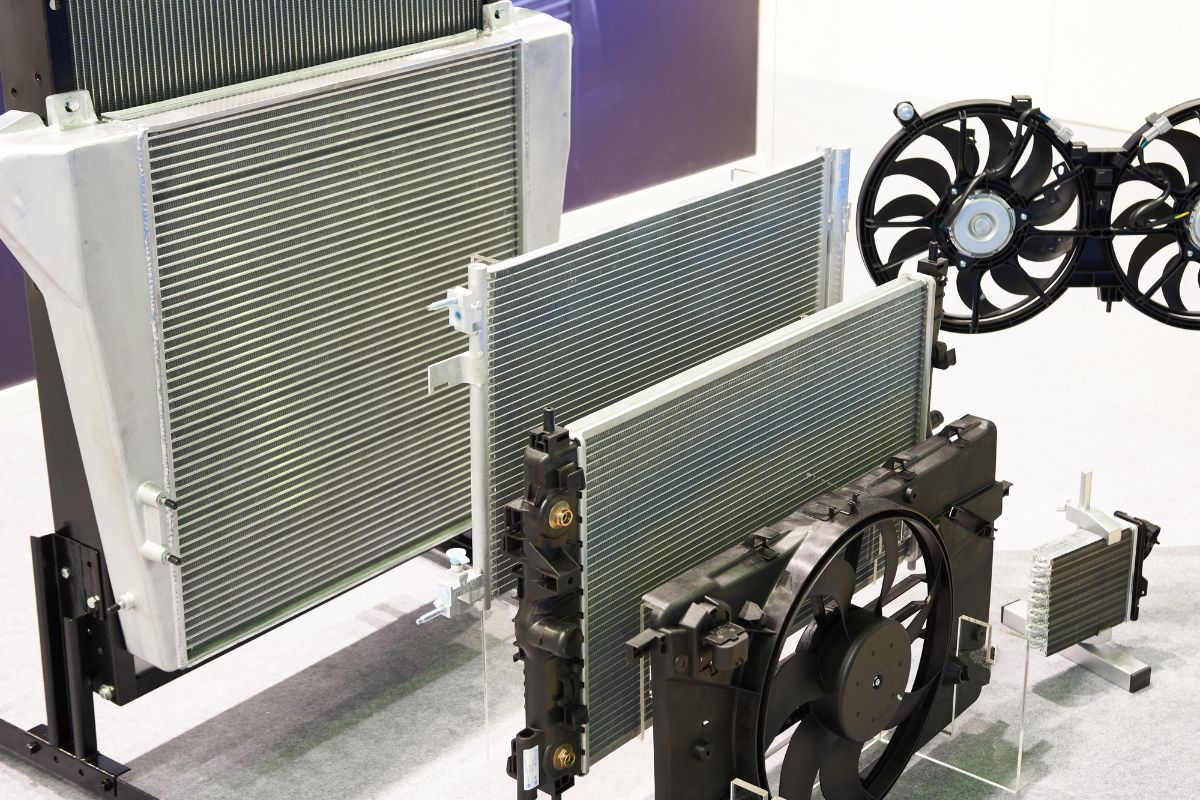
Second, keeping the radiator’s external surface clean is equally important for efficient heat dissipation. The radiator is typically positioned at the front of the vehicle, making it the first barrier against road debris. As you drive, its surface quickly accumulates a thick layer of dust, fallen leaves, insect corpses, sand, and road sediment. These contaminants clog the delicate cooling fins—thin, closely spaced metal strips designed to maximize heat exchange with passing air. When the fins are blocked, airflow through the radiator is drastically reduced, and the coolant cannot release heat effectively, forcing the engine to run hotter than normal.
Car owners can easily perform this cleaning task: regularly use a low-pressure water gun to rinse the radiator surface from the back toward the front, flushing out trapped debris without bending the fragile cooling fins.
Never use a high-pressure water jet directly on the front of the radiator — the force will bend or flatten the thin fins, permanently impairing cooling performance.
3. Inspect for Leaks and Signs of Aging
Third, develop a habit of regularly inspecting the radiator and its associated components for leaks and signs of aging. Conduct a visual check of the radiator’s upper and lower water tanks, all connecting rubber hoses, and rubber gaskets for any traces of coolant seepage, white crystalline frost marks, cracks, or brittleness. Rubber hoses degrade over time due to heat and pressure, becoming soft, cracked, or weakened; aging hoses are prone to sudden bursting, especially during high-speed driving or when the engine is under heavy load, leading to instant coolant loss and catastrophic overheating.
Any worn or damaged hoses must be replaced immediately. Additionally, verify the proper operation of the radiator fan—this component kicks in to boost cooling when the engine temperature rises. If the fan runs sluggishly, fails to activate when the engine is hot, or makes unusual noises, it requires immediate professional inspection and repair or replacement to prevent overheating.
4. Smart Driving Habits & Warning Signs
In addition to these core maintenance steps, adopting smart driving habits further eases the radiator’s workload and extends its lifespan. Avoid prolonged engine idling in high-temperature environments, such as sitting in traffic on hot summer days with the engine running, as this restricts airflow and causes heat to build up rapidly. Similarly, refrain from frequently driving in overloaded conditions, towing heavy loads beyond the vehicle’s capacity, or pushing the engine hard for extended periods—all of which place excessive thermal stress on the cooling system.
If the dashboard temperature gauge climbs into the red zone or the overheating warning light illuminates, pull over and stop immediately. Under no circumstances should you open the radiator cap while the engine is hot — scalding coolant and steam will erupt under pressure, causing severe burns.
By mastering and consistently practicing these simple radiator maintenance habits, car owners can drastically reduce the risk of radiator failures, maintain stable engine operating temperatures, and ensure safe, reliable driving in every season. A well-maintained radiator not only protects the engine from costly damage but also enhances fuel efficiency and overall vehicle performance, proving that small, regular maintenance efforts yield huge long-term benefits for every driver.
(E.)
Post time: May-06-2026